
Websites
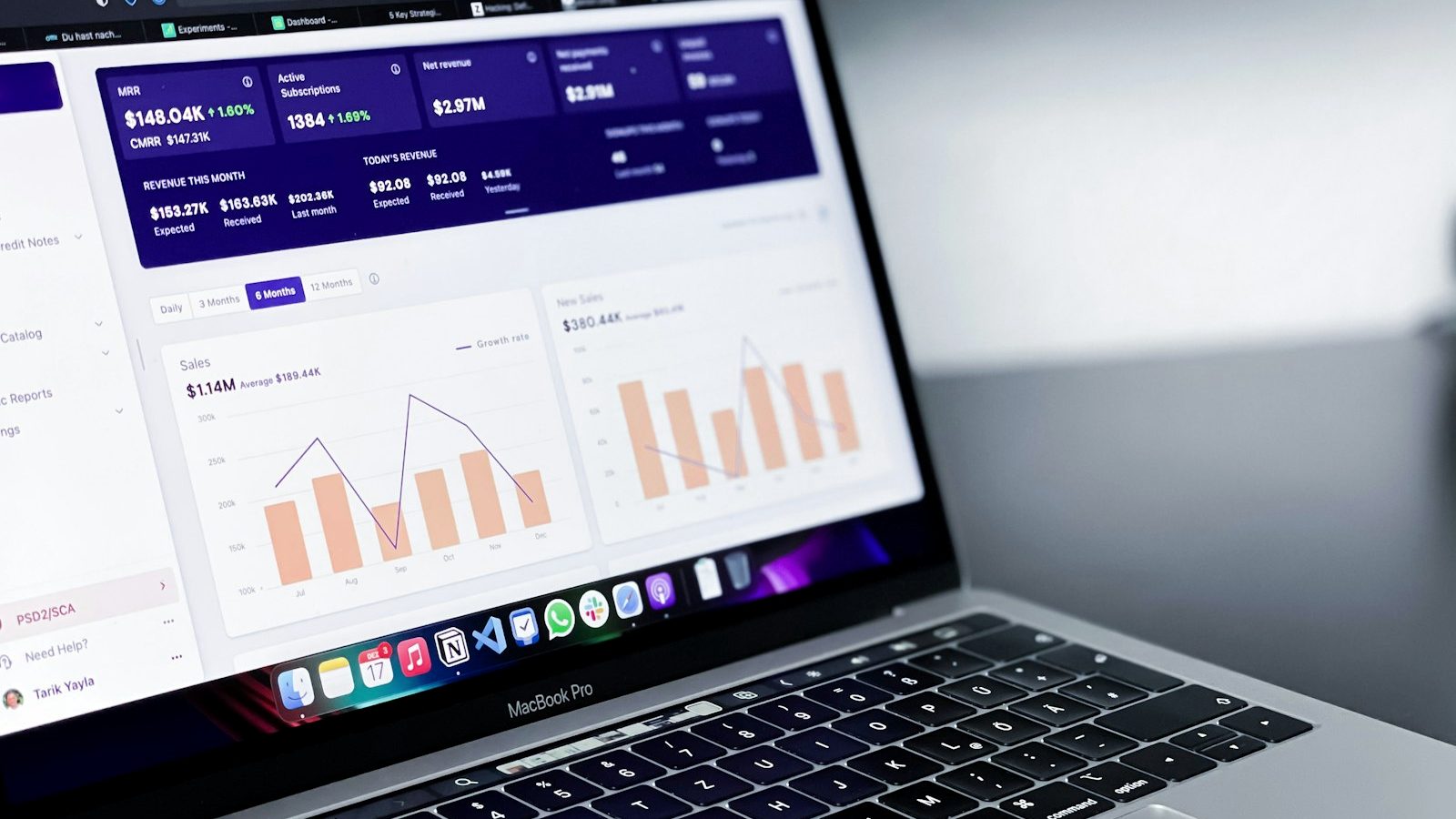
Conversion optimisation means improving a site so that a larger share of visitors take the desired action: get in touch, buy or book. It is marketing’s cheapest route to growth, because it requires no additional traffic at all.
If your site gets 1,000 visitors a month and 1 per cent of them get in touch, you get 10 enquiries. Raising the conversion rate to 2 per cent gets you 20 enquiries on the same traffic and the same ad budget. In this guide I go through how that is done.

Start from measurement, not opinions
Optimisation without data is interior decorating. You need three things before you change anything:
- Conversion tracking in place. Events in GA4 for form submissions, phone clicks and purchases. Without this you do not know whether things improved or got worse.
- Your current level. What is your conversion rate now, page by page? Without a starting figure you cannot establish an improvement.
- Behaviour data. Heatmaps and session recordings (Microsoft Clarity, for instance, which is free) show where visitors click, how far they scroll and where they give up.
Where conversions usually leak
1. An unclear promise
A visitor decides within seconds whether they are in the right place. If the front page headline is “Welcome” or “Comprehensive solutions”, they do not know what you sell and they leave. Say immediately what you do, for whom and what the benefit is.
2. Too big a first step
“Request a quote” demands commitment. “Book a free 20-minute assessment” is clearly easier, because it says what happens, how long it takes and what it costs. Lower the barrier to the first contact.
3. Too long a form
Every extra field loses some of the people filling it in. Ask only for what you need in order to get in touch: name, contact detail and a free description. You ask the rest on the phone. The company registration number and turnover bracket can wait.
4. Missing trust signals
The visitor is wondering whether you can be trusted. Named references, reviews, certifications, faces and an address all reduce doubt. Contact details without a phone number raise questions.
5. A hidden price
A missing price is one of the most common reasons people leave. Give at least a range or a pricing model. A visitor who gets no sense of the price level moves on to a competitor who gave one.
6. A slow or clumsy mobile experience
Over half of visitors are on a phone. If the page loads slowly, the buttons are too small or the form requires zooming, mobile conversion collapses. Check your site’s speed and mobile usability before any other optimisation.
A call to action that works
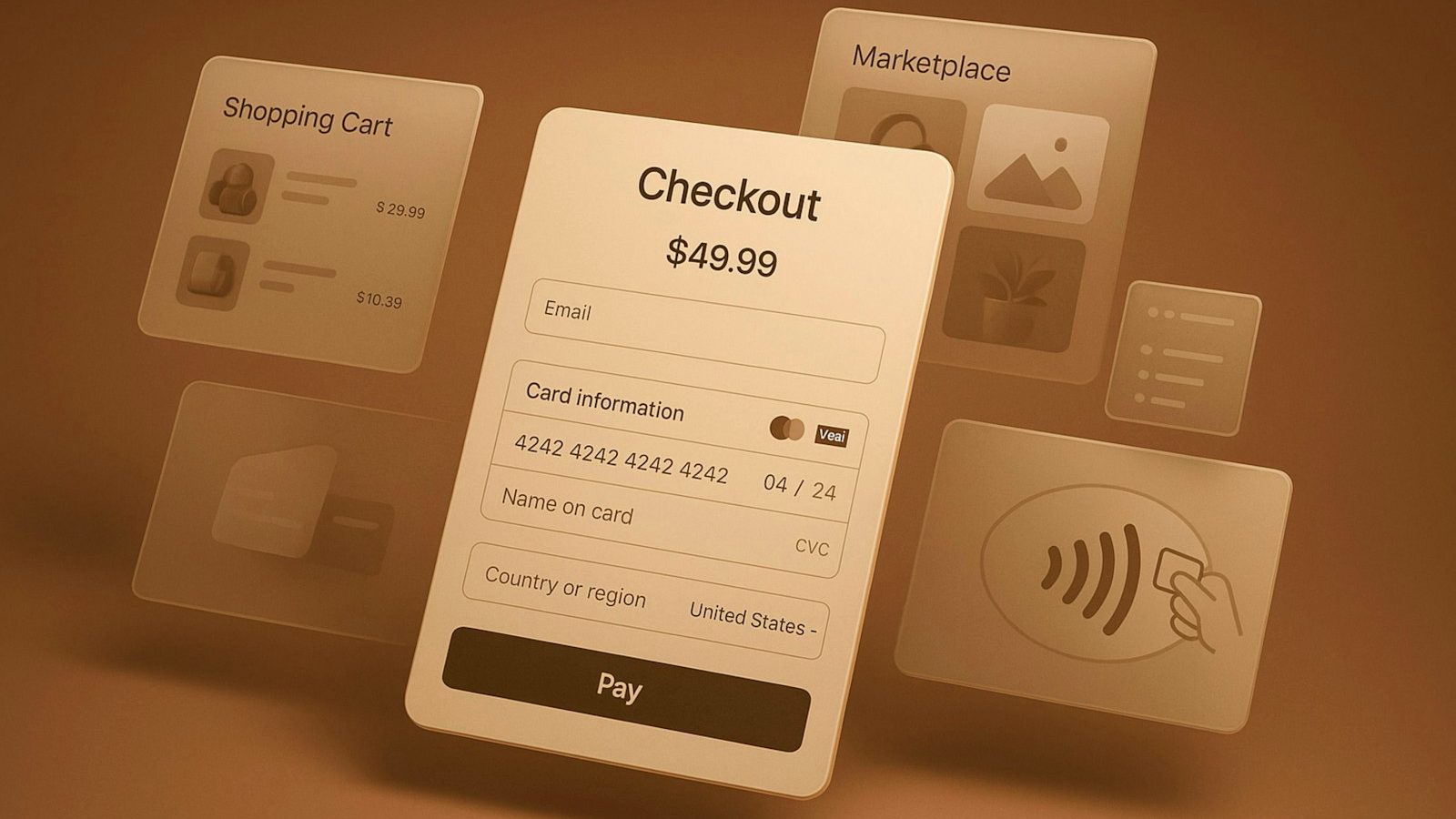
Three rules: one main call per page, concrete wording and a visible position.
Compare: “Submit” says what the button does. “Book a free assessment” says what you get. The latter converts better almost without exception, because it removes uncertainty.
Place the call in several spots on a long page: right at the start, in the middle and at the end. Visitors make the decision at different points, and nobody should have to hunt for how to proceed.
Test the changes, do not assume
A/B testing means comparing two versions at the same time. It is the right way to be sure a change genuinely improved the result.
The practical constraint: testing requires traffic. If your page gets 200 visitors a month, a statistically reliable result will not emerge in any sensible timeframe. In that case do this: make clear improvements in one go according to best practice, measure for a month and compare against the previous period. It is not as precise, but it is better than nothing.
If you have enough traffic, test one thing at a time: the headline, the button wording, the length of the form or how price information is presented. After several changes at once you do not know which one had the effect.
Visitors but no enquiries?
We look at the data for where visitors leave and which three fixes produce the most.
What counts as a good conversion rate
| Site type | Typical range |
|---|---|
| Service company site (enquiry) | 1–5 % |
| Landing page for paid traffic | 5–15 % |
| Online store (purchase) | 1–3 % |
More important than benchmarks is your own development: traffic quality, industry and price level affect the figure so much that another company’s percentage tells you almost nothing about yourself. Watch your own curve.
Where to start if time is short
Do these in order: clarify the headline on the front page and your most important service page, shorten the contact form, add a price or a range, bring references and reviews into view, and check the mobile experience on a phone yourself. Those five take a day and on most sites produce more than a month’s increase in ad budget.

Draw the conversion path out
Before fiddling with individual pages it is worth looking at the whole. Draw the path out: where the visitor comes from, which page they land on, what they read and at which point they should get in touch.
The most common finding is that the path is too long. The visitor lands on a blog article, from which they have to find a service page, from which they have to find contact details. Every intermediate stage loses some of them along the way.
The fix is simple: bring the call to action to where the visitor is. A clear call in the middle of a blog article produces more than one at the end of the page, because some readers never reach the end.
Trust decides more than design
A visitor is weighing three things: is this the right place, do they know their business, and can I trust them. The first two are settled by the message; the third by proof.
The most effective trust signals are named customer references with results, reviews from their original source, faces and names (who does the work), a concrete address and phone number, and clear terms and prices.
The least convincing are anonymous praise (“Excellent service! – A satisfied customer”) and stock photos of smiling people nobody has ever seen at the company.
Mobile conversion examined separately
Mobile conversion rate is almost always lower than desktop, but the gap may be either natural or fixable. Look at both separately in analytics. If mobile conversion is a fraction of desktop, the issue is not behaviour but usability.
Typical mobile problems: the form requires too much typing, the phone number is not clickable, buttons are too small or too close together, the cookie banner covers the content, and the page loads slowly on a mobile network.
The fastest test is making an enquiry yourself on your own phone over a mobile network. If it feels awkward to you, who knows the site, it is impossible for a customer.
Summary: three questions for every page
When you assess any page, ask these three questions. Does the visitor understand in three seconds where they have arrived and what they get here? Do they get answers to their most important questions, particularly the price and what happens next?
And third: is the next step clear and easy to take at exactly the point where they are ready to take it?
If the answer to any of them is no, you have found your next fix. This three-question test needs no tools and no data, and on most sites it reveals more than the first analytics report.
Frequently asked questions
What does conversion optimisation mean?
It means improving a site so a larger share of its current visitors take the desired action: get in touch, buy or book. Traffic is not increased; what exists is used better.
What is a good conversion rate?
On service sites 1–5 per cent, on landing pages 5–15 per cent and in online stores 1–3 per cent are the usual ranges. Your own direction of travel is a more important metric than comparison with others.
What does conversion optimisation cost?
A one-off analysis with recommendations typically costs a few hundred to a few thousand euros depending on scope. Continuous optimisation is usually priced as monthly work. The investment often pays for itself faster than increasing the ad budget.
Does A/B testing require a lot of traffic?
It does. A reliable test result usually needs hundreds of conversions, which means thousands of visitors. On smaller sites it is better to make well-founded improvements in one go and compare at monthly level.
Which single change improves conversion most?
Usually a clear promise right at the top of the page and a low-barrier call to action. Adding price information and shortening the form are typically the next most effective.
Related articles

Websites
Website redesign: when it is worth it and what it really costs
A website redesign is worth doing when the current site does not produce enquiries, looks dated on a phone, or is so awkward to…
8 min

Websites
Website accessibility: does the requirement apply to you and what does it demand
Website accessibility means a site can be used even when sight, hearing, motor skills or concentration are limited. For the public sector it is…
8 min
Websites
Starting an online store: what to decide before you open
Starting an online store is technically easier than ever: a shop can be up in days for a few hundred euros. The hard part…
8 min
Get in touch
Shall we take the first step together?
Tell us briefly where you stand. We reply the same working day, usually within a couple of hours.
- A free 30-minute call, no strings attached
- You get a concrete view of where you stand
- We say plainly if we are not the right fit
- Phone+358 50 469 0039
- Emailmisa@purodigital.fi