
Social media marketing
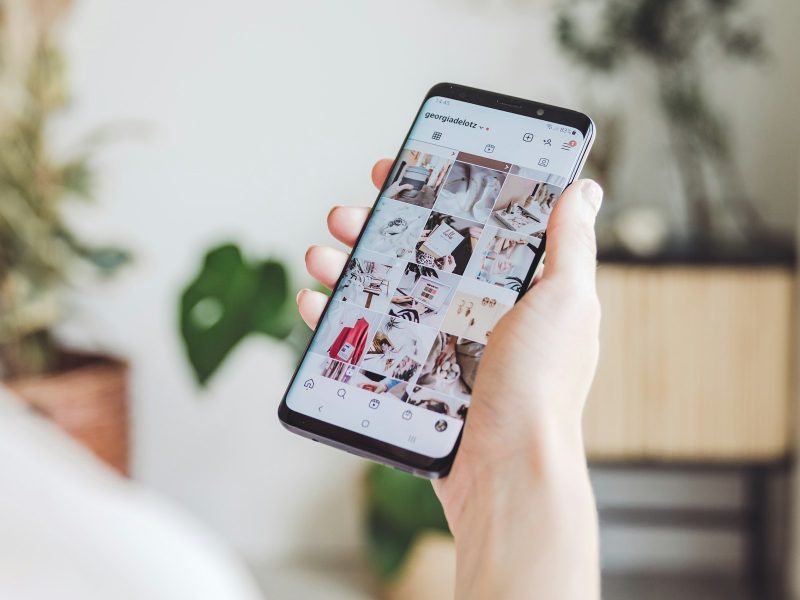
Instagram marketing works for a business when the content is built on the customer’s interest rather than the company’s news. Reach now comes mostly from recommendations rather than followers, which means even a small account can succeed and a large one can go unseen.
Here I go through how to build Instagram marketing for a small business: what to publish, how often, how to tune the profile to sell and when it is worth moving to paid advertising.
Who Instagram suits
Instagram works especially well in visual fields: restaurants, beauty, interiors, construction, clothing, travel and anything where you can show the end result. It also works in expert services, when faces and the way you work are a sales argument.
Instagram suits less well when the buying decision is entirely rational and made in an organisation through several approvals. In B2B lead generation LinkedIn is usually more effective, though Instagram can still support employer image and awareness.
Get the profile right first
The profile is your landing page. Four things decide:
- The name field. Alongside the company name, use what you do and where (“Puro Digital · digital marketing”). The name field is searchable; the username and bio are not in the same way.
- The bio. One sentence on who you are for and what you achieve. Not a list of values, but specifics.
- The link. Send it straight to where you want the action: the booking page, the quote request or the product page. Not the front page, if the goal is a specific action.
- Highlights. Group stories by theme: services, prices, references, frequently asked questions. A new follower goes through these before getting in touch.
What to publish: four content types
A content plan that works is a mixture, not one type. The ratio is around four useful posts to every one that sells.
Teach. Tips, mistakes, comparisons and instructions from your own field. This content gets shared and saved, and saves and shares are what lift visibility most.
Show the work. Before and after, the process, behind the scenes. Concrete workmanship is the best sales argument you can publish without it feeling like an ad.
Prove it. Customer stories, reviews, results. A named customer and a concrete outcome convince; generic praise does not.
Sell. Offers, new products, available slots. You can do this directly, once the rest of the content has earned the attention.
Reels are the engine of reach
Short videos get clearly more reach than photo posts, because Instagram recommends them to people who do not follow you as well. Practical guidance:
- The first three seconds decide. Open with a claim, a question or the end result, not an introduction.
- Keep the video short; 10–30 seconds is enough for most subjects.
- Add text on screen: a large share watch without sound.
- One thing per video. Five tips is five videos, not one.
Production values are secondary. A genuine video shot on a phone often works better than a studio production, because it blends into the feed instead of looking like an ad.
Posting rhythm and timing
Three good posts a week is a realistic target for a small business and produces more than seven rushed ones. Stories can go out more often, because they keep existing followers warm without needing the same polish.
You can see the best posting time in your own audience data (Instagram insights tells you when your followers are active). Generic “best time to post” lists are guesses; your own data is not.
Instagram eating time but not producing?
Let us look together at whether it is worth investing in organic content or shifting the emphasis to paid advertising.
When to move to paid advertising
Organic reach is slow and uncertain. Paid Meta advertising is worth bringing in when one of these applies: you have a post that performed clearly better organically than the others (turn that one into an ad), you want results to a specific schedule, or your audience can be precisely defined by location, age or interests.
You can get started even on a small budget. What matters most is measuring the right thing: not likes but enquiries, bookings or sales. Without conversion tracking, advertising is guesswork.
Three common mistakes
Posting from the company’s point of view. “We have had a busy week” interests nobody. The same thing from the customer’s point of view (“three slots free next week”) does.
Staring at follower count. A thousand genuine local followers are worth more than ten thousand random ones. A follower who cannot buy from you is a statistic.
Irregularity. Three posts a day for a week and then two months of silence produces less than one post a week for a year.
Stories and highlights in sales work
Stories are an underrated sales tool, because the people who watch them are precisely the ones already interested. They do not bring new followers, but they turn interested people into customers.
Story content that works includes free slots (“two places next week”), the progress of a job during the day, question stickers and polls, and quick answers to customers’ questions. The bar for posting is low, because stories disappear in a day and do not have to be polished.
Highlights, on the other hand, are permanent. Build them into what is effectively a miniature website: services, prices, references, frequently asked questions and instructions. A newly interested person browses these before sending a message, and well-made highlights answer half the questions for you.
How messages turn into sales
On Instagram, selling often happens in direct messages. Two things decide: how quickly you respond, and moving the conversation to the right place soon enough.
Respond in hours, not days. Interest cools quickly, and many people are asking two other companies at the same time. When a question needs a more detailed conversation, suggest a call or send a booking link. A long price negotiation in a message thread rarely ends in a sale.
Collaborations and user-generated content
A local micro-influencer with a few thousand followers in the right area often produces more for a small business than a big name. The price is moderate, the audience is genuine and the recommendation feels personal.
An even cheaper method is encouraging customers to post themselves. Ask them to tag your account, share the best posts in your own stories and thank them. A photo posted by a customer is more credible than any ad, and it costs nothing.
Summary: a starter plan for one month
If you are starting on Instagram seriously, do the first month like this. Get the profile in order: name field, bio, link and highlights. Then film ten short videos in one go, answering customers’ most common questions.
Post three times a week and watch which subjects produce the most saves and shares. They tell you what your audience actually cares about, and give you a direction for the next month.
At the end of the month look at the insights and pick the single best-performing post. Turn that one into an ad with a small budget. It is the safest way to start paid advertising, because the content has already proven it works.
Frequently asked questions
How does a business benefit from Instagram marketing?
Instagram brings awareness and enquiries, especially in visual fields. It works when the content teaches, shows the workmanship and proves results, and when the profile steers an interested person straight to getting in touch.
How often should you post on Instagram?
Around three good posts a week is enough for most small businesses. Regularity matters more than volume, and stories can go out more often with lighter effort.
Is it worth using hashtags on Instagram?
A few relevant hashtags is enough. Their significance for reach has shrunk now that recommendations have become the main distribution channel. The subject of the content and its first seconds matter more.
How much money is worth putting into Instagram advertising?
You can start with a few hundred euros a month, as long as conversion tracking is in place. The right budget is settled by the value of a customer: if one customer produces hundreds of euros of margin, advertising is worth more investment than if the margin is in the tens.
Does a business have to be on Instagram?
Not automatically. If your audience is not there or your work does not look like anything, the time is better spent elsewhere. One channel done properly produces more than four done half-heartedly.
Related articles
Social media marketing
Meta ad creative: making ads that stop the scroll
The most important variable in Meta advertising is not the targeting but the creative. Same audience, two different images: one makes 4× the sales.…
2 min

Social media marketing
Meta Advantage+ Shopping: Meta’s answer to Performance Max
Meta Advantage+ Shopping is Meta’s answer to Google’s Performance Max. In practice it is one “campaign” that decides for itself which audiences see the…
2 min
Social media marketing
X advertising (formerly Twitter) for business: does it still make sense?
X (formerly Twitter) has lost a lot of users since 2023. Does advertising there still make sense? Let us go through the realistic state…
2 min
Get in touch
Shall we take the first step together?
Tell us briefly where you stand. We reply the same working day, usually within a couple of hours.
- A free 30-minute call, no strings attached
- You get a concrete view of where you stand
- We say plainly if we are not the right fit
- Phone+358 50 469 0039
- Emailmisa@purodigital.fi